Apple buys carbon credits from eucalyptus plantations in Paraguay, exposing the community to dangerous pesticides
Exclusive: Apple invested in carbon credits from a forestry company that doesn’t respect minimum distances or provide prior notice of agrochemical use. There’s a school across the street.

On September 12, 2023, Apple made an important announcement.
Its new smartwatch, the Apple Smart Watch Series 9, would be its first “carbon-neutral “ product. Lisa Jackson, Apple’s vice president of environmental policy and social initiatives, explained that the achievement was due to investment in renewable energy and mineral recycling.
“The small remaining amount of emissions (22%) is offset by high-quality projects such as forests and wetlands,” Jackson said.
In a statement released the same day, Apple said that “in the case of the carbon-neutral Apple Watch models,” the offset would come from projects where the company invested to “help restore and protect exploited forests and high-quality native ecosystems in Paraguay and Brazil.”
In Paraguay, the “forests” used by Apple for its climate strategy are forest plantations of cloned eucalyptus trees.
An investigation for Consenso with support from Climate Tracker and the Pulitzer Center, reveals through documents, site visits, and satellite images that these eucalyptus trees do not comply with regulations on the use of agrochemicals , exposing the Cañada Santa Rosa community, and especially the school in front of the eucalyptus trees, to dangerous pesticides and insecticides.
Added to this are complaints about the danger of forest fires.
Among the eucalyptus trees used as carbon credits by Apple are those from Forestal Apepú , which according to its own reports uses different agrochemicals such as glyphosate, considered a “probable carcinogen” by the World Health Organization and linked to liver damage .
Aerial view of the Santa Rosa de Lima school. In front are the eucalyptus trees of Forestal Apepú, registered under carbon credits in Verra. The eucalyptus trees use various agrochemicals without respecting the minimum distances stipulated by Paraguayan law. Video: Nicolás Granada.
Eucalyptus plantations also use other chemicals such as haloxyfop, a herbicide highly restricted in Europe ; sulfluramid , an insecticide that degrades into PFOS—better known as a “chemical that persists forever” in the environment; and fipronil, an insecticide considered a possible human carcinogen and banned in the European Union .
According to a forthcoming scientific study, fipronil was found in the hair of 51 children exposed to the use of agrochemicals on other agricultural plantations in Paraguay. A previous study had already found that the same children also exhibited genetic damage related to their pesticide exposure.
The use of these agrochemicals by Forestal Apepu was unknown to the inhabitants of Cañada Santa Rosa, the community adjacent to the plantations.
Among those who claimed not to have been informed about the use of agrochemicals is the director of the Santa Rosa de Lima school, an educational institution with 60 students located 30 meters from the forest plantations.
This would violate Paraguay’s phytosanitary law , which requires prior notification to the community of the use of agrochemicals and minimum distances of 100 meters between plantations to be fumigated and areas of congregation, such as schools. This was confirmed in a legal analysis of the Paraguayan State requested for this investigation.
How Apple ended up paying for eucalyptus plantations in Paraguay
A eucalyptus plantation is not a forest. It’s a monoculture. One that already covers more than 300,000 hectares in Paraguay with the explicit support of the State, multilateral banks, and climate funds.
“This stems from its rapid growth and its relatively high capacity for capturing carbon dioxide, which presents it as a green solution and is also economically attractive to the carbon markets,” which the country is prioritizing, explains Guillermo Achucarro , an environmental engineer, researcher in the area of climate policy and energy transition in Paraguay, and a doctoral candidate in Environmental Sciences at the Autonomous University of Barcelona.
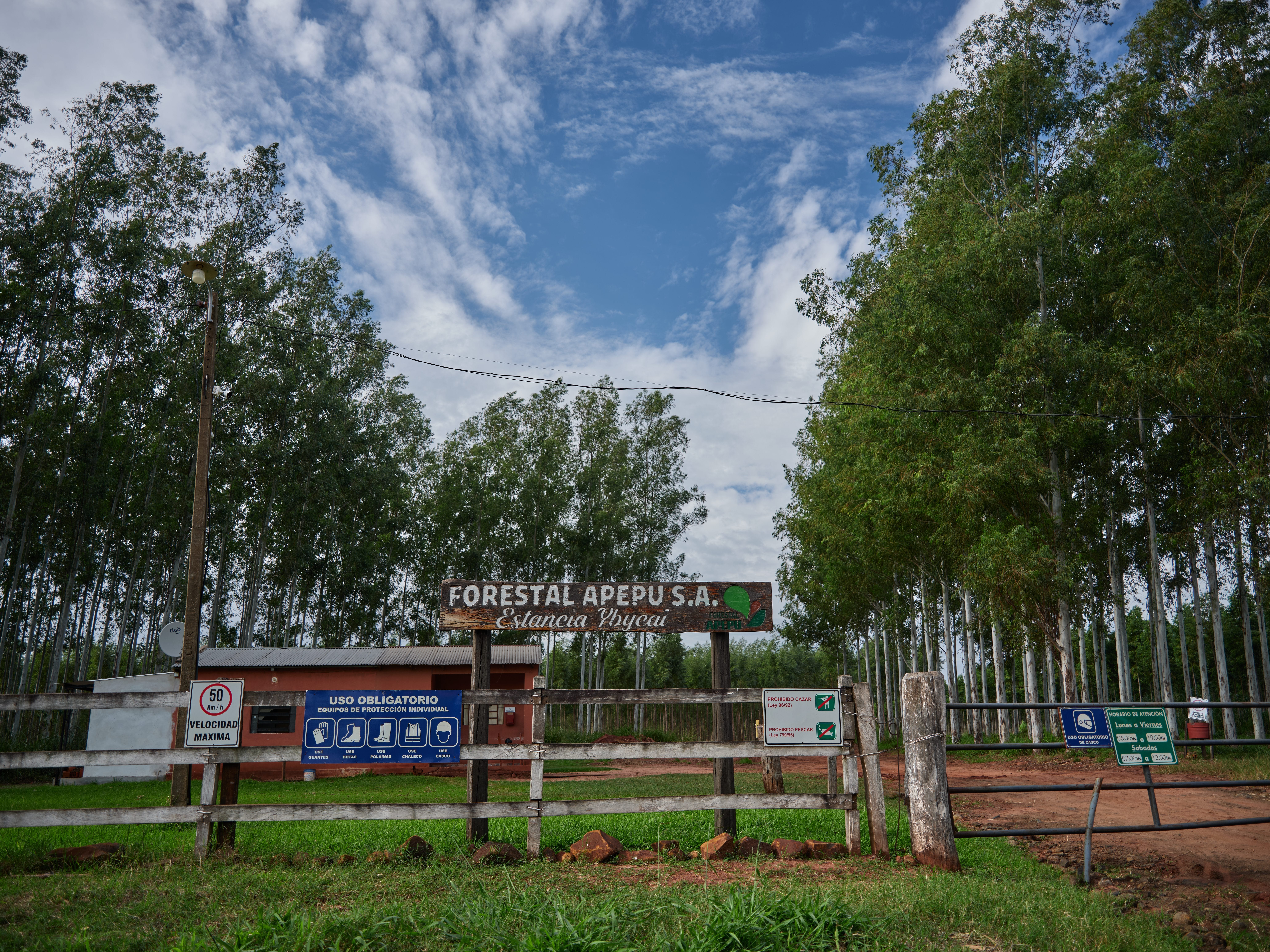
View of the entrance to Forestal Apepú in Cañada Santa Rosa, San Pedro. Eucalyptus groves registered under carbon credits in Verra can be seen in the left corner. Photo: Nicolás Granada
This is how Forestal Apepú was born, dedicated to eucalyptus plantations located in the department of San Pedro, one of the areas with the “greatest potential” for this type of plantation according to a report by the National Forestry Institute (Infona). Forestal Apepú’s eucalyptus plantations are managed by the company Unique Wood and financed by Arbaro.
Arbaro is a fund created in Luxembourg that has received—and continues to receive—financing from public and private banks in Europe, such as the Netherlands Development Bank (FMO), from which it obtained $8 million , and the European Investment Bank, for “sustainable forestry projects” in countries like Paraguay. It will also receive approximately $25 million from the Green Climate Fund until 2035 for the same purpose .
Apart from this financial support, in 2023 Arbaro was one of the beneficiaries of the $200 million that Apple injected into its so-called Restore Fund, an initiative promoted by the technology company in conjunction with the organization Conservation International and Goldman Sachs , one of the world’s leading financial entities.
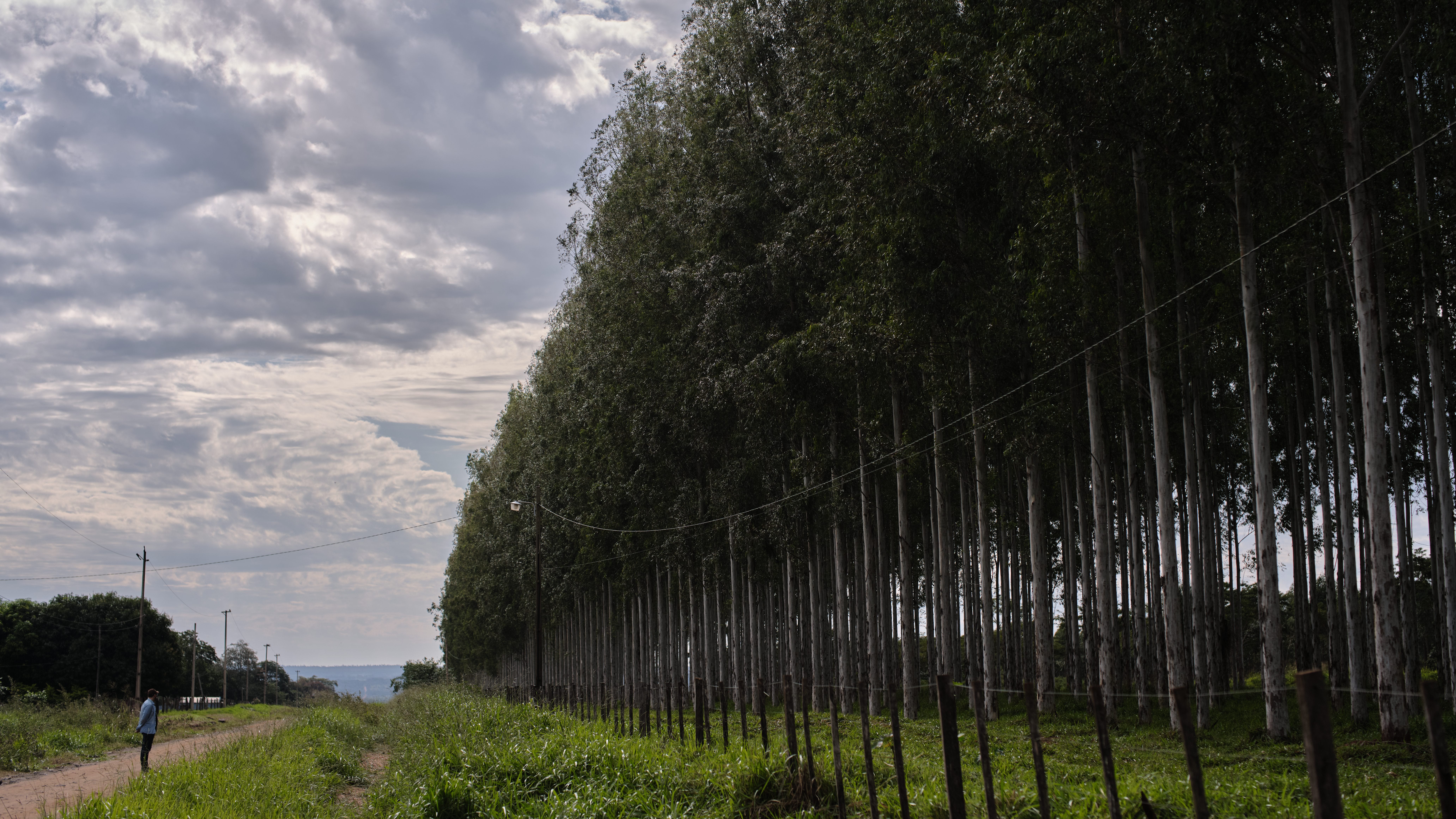
The plantations used by Apple for its carbon neutrality strategy are cloned eucalyptus trees like those seen at Forestal Apepú. Photo: Nicolás Granada.
Apple’s funds were intended to support the eucalyptus plantations of Forestal Apepú and Forestal San Pedro - another Arbaro company in Paraguay - and use its Verra-accredited carbon credits from these plantations to achieve the “carbon neutral” label on its Apple Smart Watch Series 9 .
In its 2025 environmental report , Apple reveals that it purchased 151,600 tons of carbon dioxide equivalent (tCO2e) in carbon credits from both eucalyptus plantations in Paraguay . Apple used these carbon credits to offset part of the company’s contribution to climate change. 73,093 tCO2e correspond to Apepú. This coincides with the carbon credit withdrawal records from La Forestal documented in the project by Verra.
The multinational not only used these credits to offset the climate damage from the manufacturing of its products, but also for emissions linked to the corporate structure, electricity, and business travel of its executives.
In a statement published on its website, Apple defined its support for Forestal Apepú through the Restore Fund as an action “that cultivates new roots in the Atlantic Forest ,” also citing support for surrounding communities through a chicken sales association, jobs in the forestry company, and the encouragement for them to also plant eucalyptus trees on their land.
But in Cañada Santa Rosa, a community in northern Paraguay located across from the 2,488 hectares registered as carbon credits by Forestal Apepú, no one knows about Apple and its multimillion-dollar support for the trees that form their eternal horizon. And at the school across from part of those hectares, they also know nothing about the agrochemicals used in the plantations.
A school fumigated with eucalyptus trees for carbon credits
After an hour of careful driving, escorted by a wetland on one side and the increasingly dense row of eucalyptus trees on the other, we arrived at the gate of Forestal Apepú in San Pedro, where we were greeted by a guard who identified himself as David.
David, who declined to give his last name, also diplomatically refused entry to the premises and the possibility of speaking with anyone from the company. According to him, all the staff were busy “due to a visit from the owners.”
David could not specify whether by “owners” he meant Unique Wood, the Arbaro Fund, or one of the numerous entities that financed the plantations.
The gate of Forestal Apepú is located at the beginning of the rural road that the company’s property shares with a small community. La Cañada Santa Rosa is a village with subsistence farming and livestock raising, two churches, an abandoned health center, and a small school that bears the village’s name.
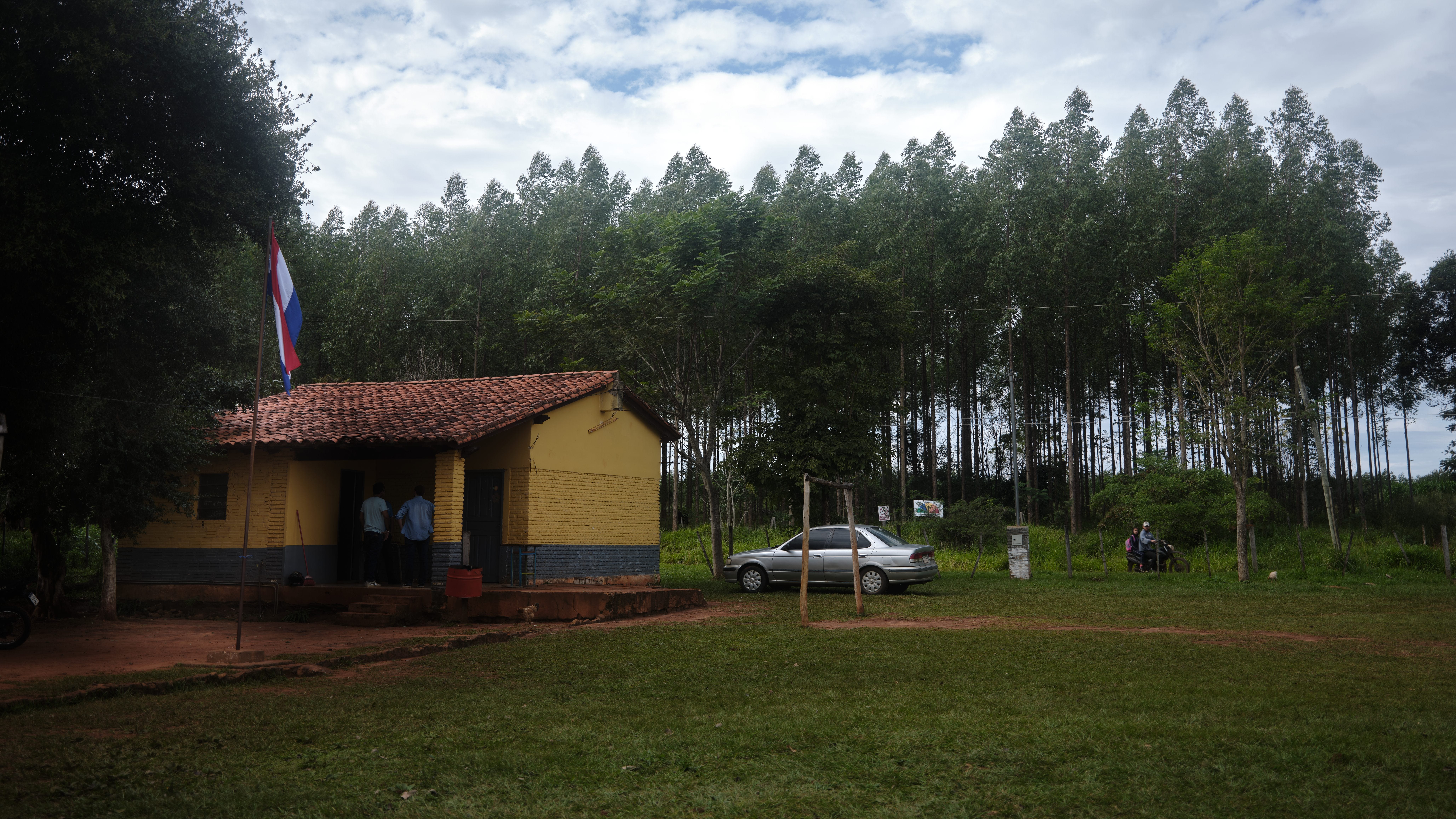
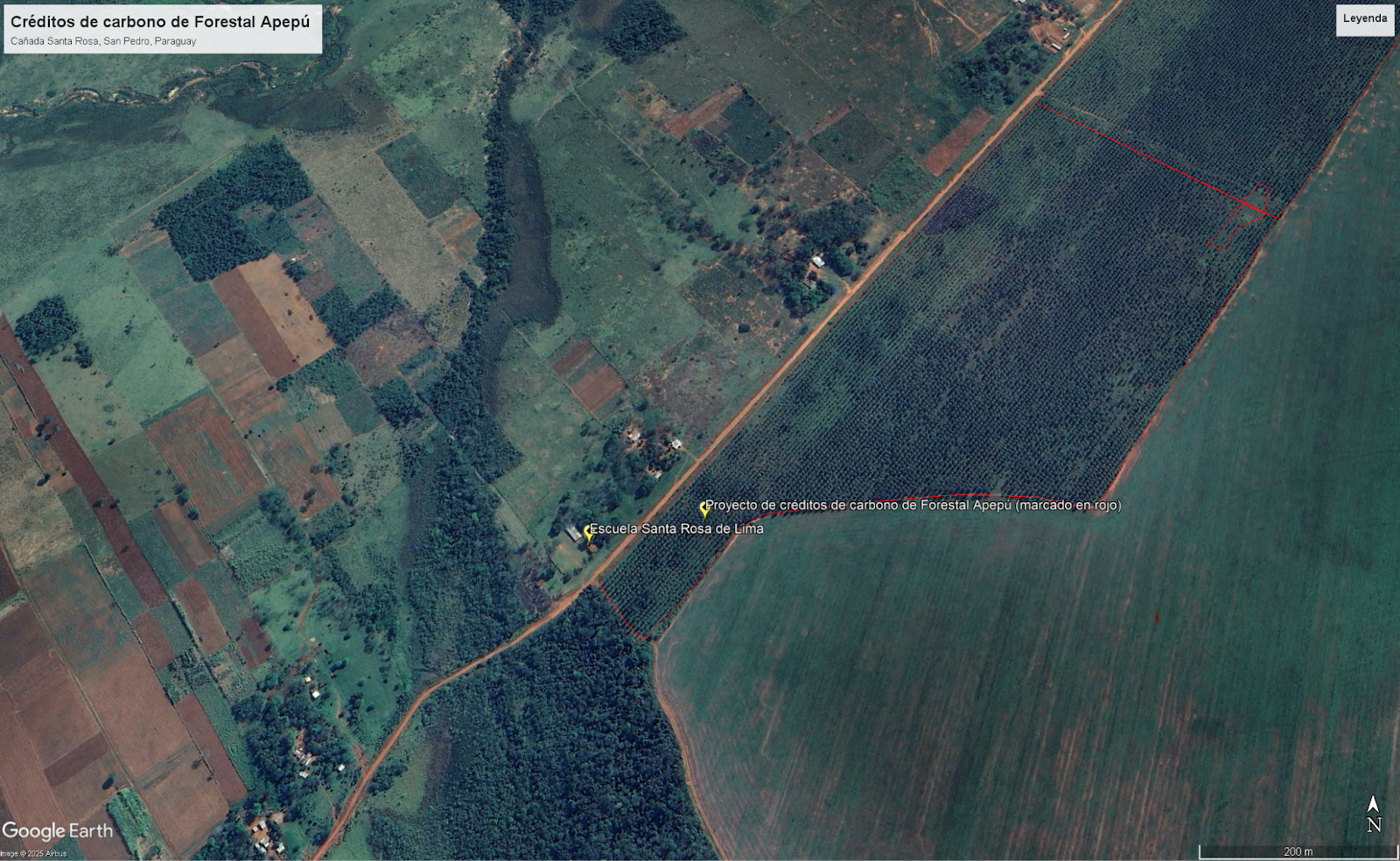
The Santa Rosa de Lima School is located directly across from eucalyptus trees registered by Verra as carbon credits. The school is 30 meters from the plantations. The law requires a minimum distance of 100 meters for the use of agrochemicals near educational institutions.
At the Santa Rosa de Lima School, we were received by Hernan Alonso, a Spanish and Guarani teacher and the school’s director.
The school where Alonso is the principal is located directly across from the eucalyptus trees certified for carbon credits by Forestal Apepú. It has 60 elementary school students who travel on foot or by motorcycle along the narrow, uneven dirt road that the community shares with the plantations.
“Forestry uses the road much more and maintains it less” than the previous landowners, says the teacher. Forestal Apepú acquired the land gradually between 2016 and 2020, where there had previously been cattle ranching and soybean plantations.
Although the trees used by one of the world’s leading technology companies, with smartphones and more than 70 satellites in orbit, can be seen from the schoolyard, the educational institution suffers from the lack of “at least a cell phone signal” to teach the students.
Alonso was unaware of the relationship between the plantations and Apple, nor that the eucalyptus trees in front of the school he runs use dangerous agrochemicals.
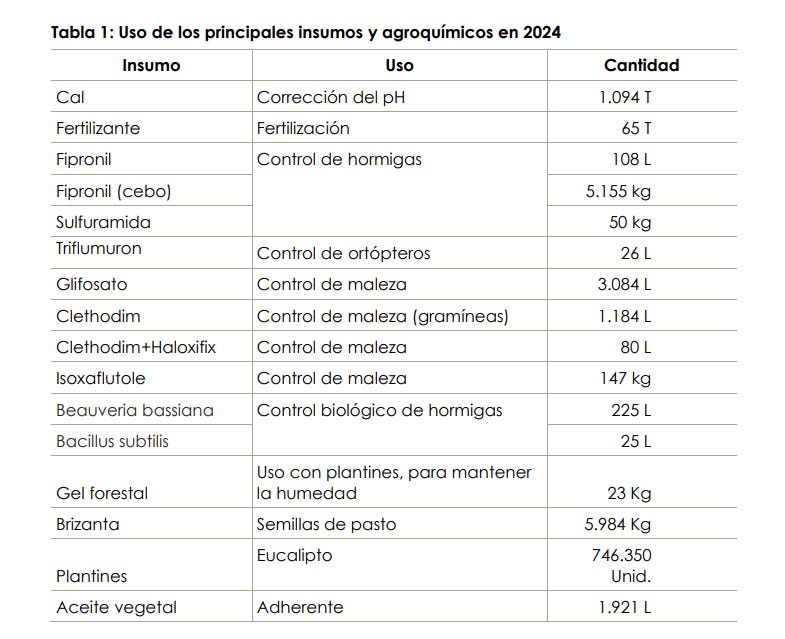
Official list of agrochemicals used in 2024 by Forestal Apepú Source: Public Summary of the Forest Management Plan and Monitoring Results 2024
According to official data reported by Forestal Apepú, between 2023 and 2024, glyphosate, clethodim, isoxaflutole, fipronil, and 2.5 liters of haloxyfop-P methyl and sulfluramid were used on the eucalyptus trees surrounding the school and the community.
In the case of glyphosate , the world’s most widely used herbicide is mired in controversy after being classified as a “probable carcinogen” by the World Health Organization . Evidence links it to liver damage, heritable genetic damage passed from parents to children , and harm to aquatic ecosystems ; this is why the multinational Bayer-Monsanto had to settle for more than $10 billion in the face of lawsuits over its harmful effects.
The death of the child Silvino Talavera in 2003 due to glyphosate poisoning was the case that led Paraguay to establish its current law on the control of phytosanitary products.
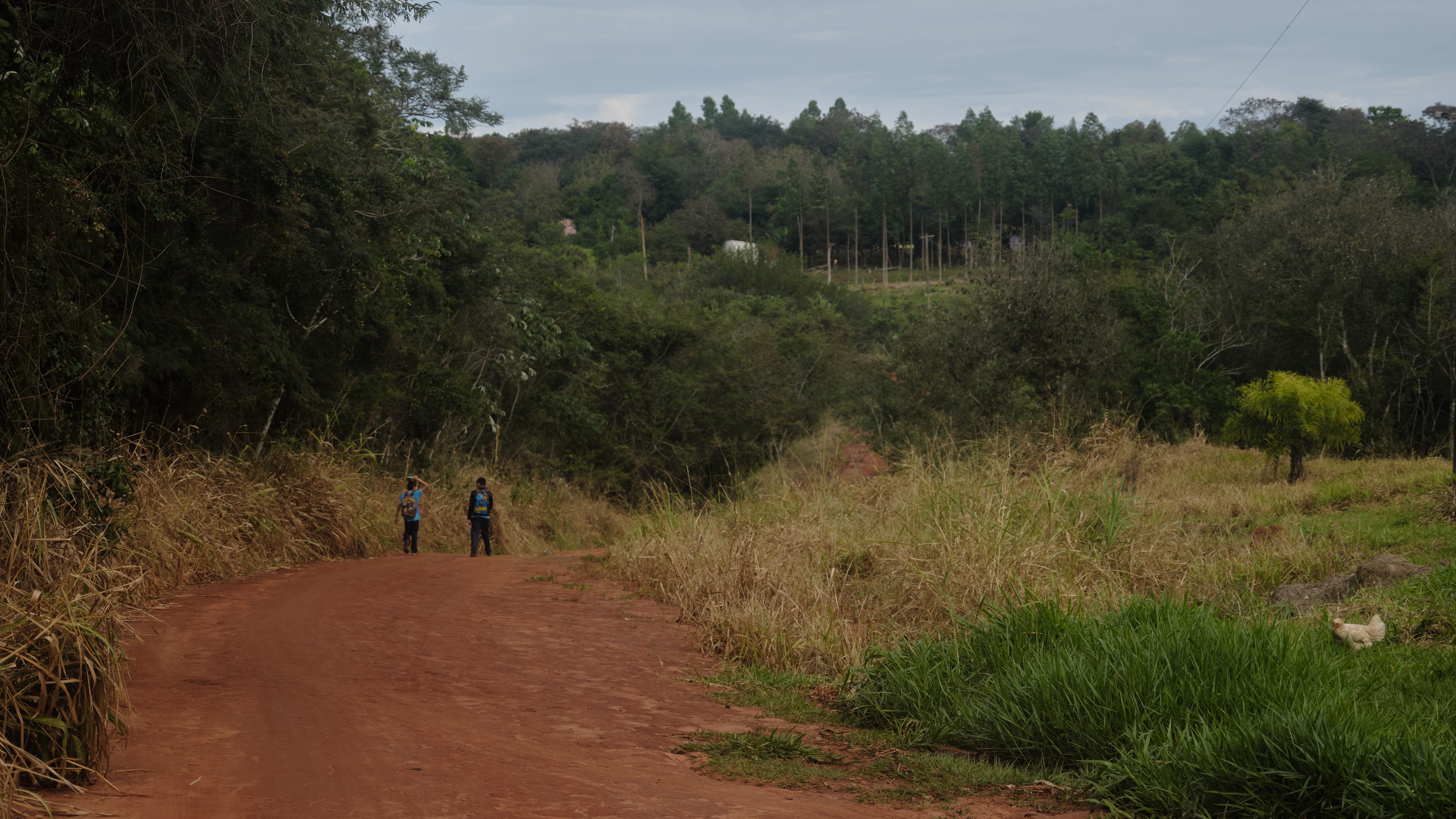
Students from the Santa Rosa de Lima School walk daily along the path that separates the school from the eucalyptus groves, which violate the minimum distance required for the use of agrochemicals. Photo: Nicolás Granada.
Fipronil is an insecticide considered a possible carcinogen in humans and banned in the European Union due to its impact on bee populations.
And it is one of the chemicals that Dr. Stela Benitez Leite’s team found in the hair of 51 boys and girls between the ages of 5 and 10 exposed to fumigation in agricultural crops in Canindeyú, the department next to San Pedro .
Benitez Leite is a pediatrician and a specialized scientific researcher who has been investigating the impact of pesticides in Paraguay for more than a decade .
“We were expecting to find glyphosate or paraquat, so we were surprised to find fipronil in the analysis,” the researcher says.
The results of this analysis are about to be published in a peer-reviewed scientific journal , but another study conducted on the same children through blood tests has already been published and found genetic damage in them. “This damage can be inherited by the children of those exposed, predisposing them to a greater risk of cancers, malformations, or Parkinson’s disease. We are talking about generations at risk,” says Benitez Leite.
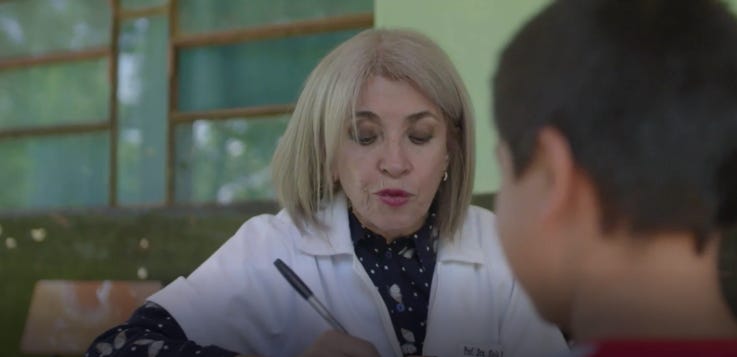
Researcher Stela Benitez Leite collecting blood and hair samples to analyze agrochemical exposure in children. Source: Documentary “The Poisoned Fields of Paraguay”.
The eucalyptus trees planted in front of the school in Cañada Santa Rosa, Paraguay, and used as carbon credits by Apple, use another herbicide considered by the United States Environmental Protection Agency as “possibly carcinogenic to humans” and linked to liver damage, isoxaflutole .
As for haloxyfop , also used in the eucalyptus trees of Forestal Apepú according to its own documentation, it is a highly restricted herbicide in Europe due to evidence of groundwater contamination after degrading in the soil, and its proven impact on fish.
Finally, the insecticide sulfluramid is problematic because, as it degrades, the insecticide becomes PFOS - better known as a “chemical that persists forever “ in nature.
PFOs are linked to low birth weight , immune and thyroid problems, liver damage, and cancer. Therefore, their use is restricted under the Stockholm Convention on Persistent Organic Pollutants, ratified by Paraguay.
One of the authorized uses has been for ant control in eucalyptus plantations. Since at least 2019, organizations such as the International Pollutants Elimination Network have called, within the framework of the Stockholm Convention, for greater control and a deadline for its use in countries like Paraguay.
All the pesticides, herbicides, and insecticides mentioned are poured onto the eucalyptus trees in front of the Santa Rosa school without either its principal or its students knowing about the exposure.
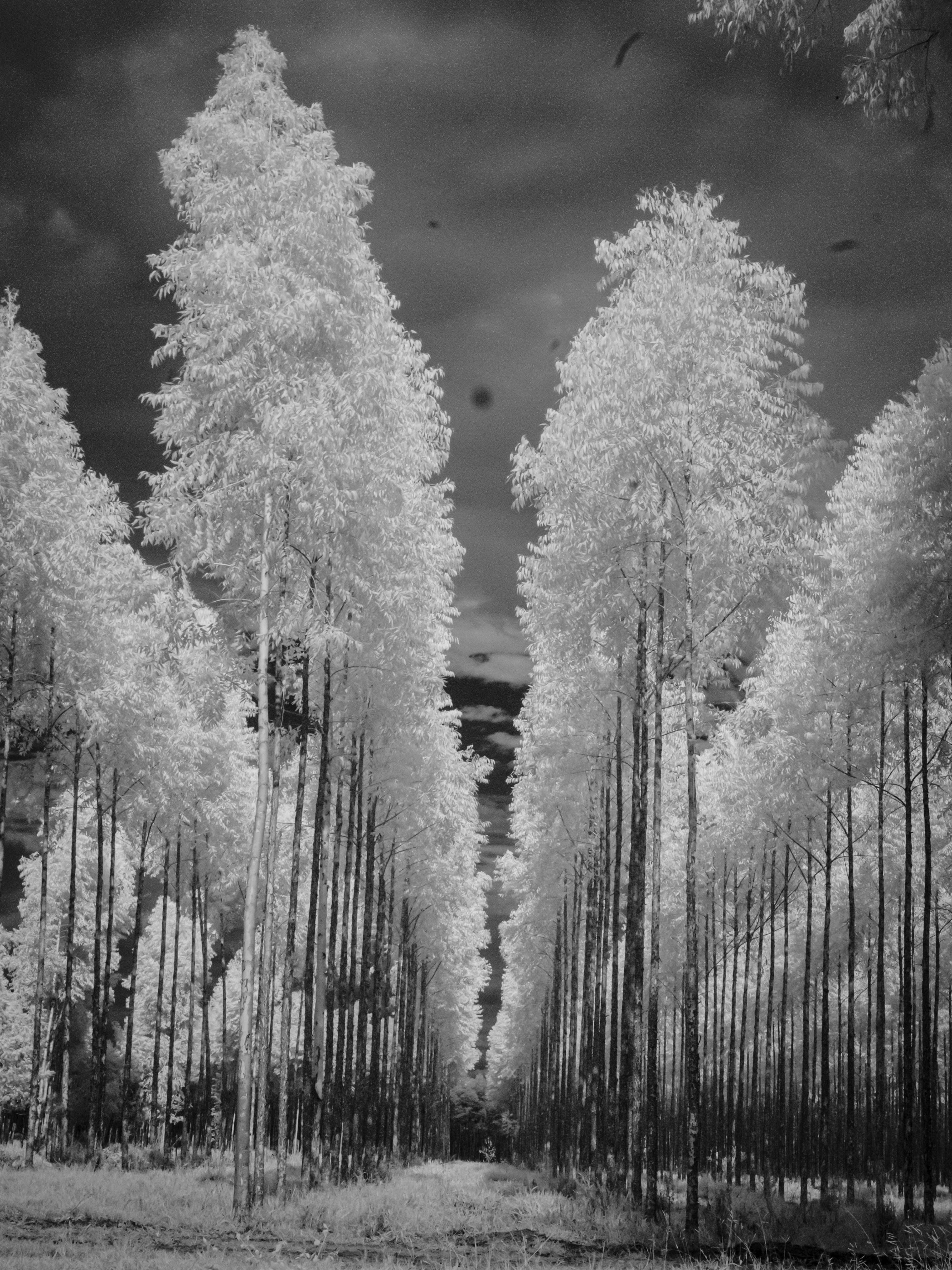
A long row of eucalyptus trees at Forestal Apepú, cloned trees planted with the ultimate goal of being sold as carbon credits to offset corporate emissions elsewhere in the world. Photo: Nicolás Granada
According to the law , any plantation using agrochemicals must be at least 100 meters from areas of congregation “such as educational institutions .” Santa Rosa School is 30 meters away . The law also requires prior notification to the community before any application of agrochemicals, something that, according to the school principal, never happened.
This would violate Paraguay’s phytosanitary law. According to a legal analysis obtained for this investigation from the National Seed Service, the agency responsible for controlling the use of agrochemicals, the regulations of the phytosanitary law extend to forest plantations.

Despite this, the National Forestry Institute , the body in charge of regulating eucalyptus plantations, confirmed by telephone that they do not control its application when granting the necessary licenses for forest plantations.
Forestal Apepú also does not cite the law among the set of legal and social obligations in its analysis of social and environmental risks.
And although he acknowledges the danger of pesticide use, he maintains that in the case of glyphosate and fipronil “they are products commonly used in Paraguay, used in the previous activities in these sites (...) their use in plantations is much less compared to agriculture, and almost the same or a little more compared to livestock farming.”
The response came after Verra inquired in 2022 about pesticide use, where the carbon accrediting organization also noted that “the laws governing pesticide use in Paraguay are not being enforced.”
Verra’s questions stemmed from the conclusions of Marcos Orellana , the United Nations Special Rapporteur on toxic substances and human rights, following his visit to Paraguay in 2022. Orellana had not only criticized the lack of enforcement of the law, but also brought up what he called a “painful hypocrisy” on the part of European funds, such as Arbaro, that finance plantations that use agrochemicals banned in Europe.
Finally, Orellana had urgently recommended epidemiological monitoring by the country’s Ministry of Health on the impact of these “dangerous agrochemicals” on rural populations.
All this in a country that already has two rulings against the State sent by the United Nations Human Rights Committee due to the impact of exposure to agrochemicals on populations .
Despite this, and following the response from Forestal Apepú, Verra was satisfied, approving the review of the carbon credits that Apple would later purchase.
The lack of protection for communities would also go against the principles of Conservation International, which Apple adhered to in its carbon removal strategy, according to an official document from 2024.
Both Unique Wood and Apple were consulted about the use of agrochemicals and the legal opinion of the Paraguayan State prior to the publication of this report, without response to date.
Eucalyptus trees lead the government’s plan to receive climate funds
In addition to the serious pollution risks to the children, Hernán Alonso, the school’s director, is also concerned about the risk of fire in the eucalyptus groves. “In previous years there were fires, and the smoke drifted this way,” he says. Despite the rain that had fallen two days before our visit, signs indicating a “high” to “very high” risk of fire remained posted along the plantations.
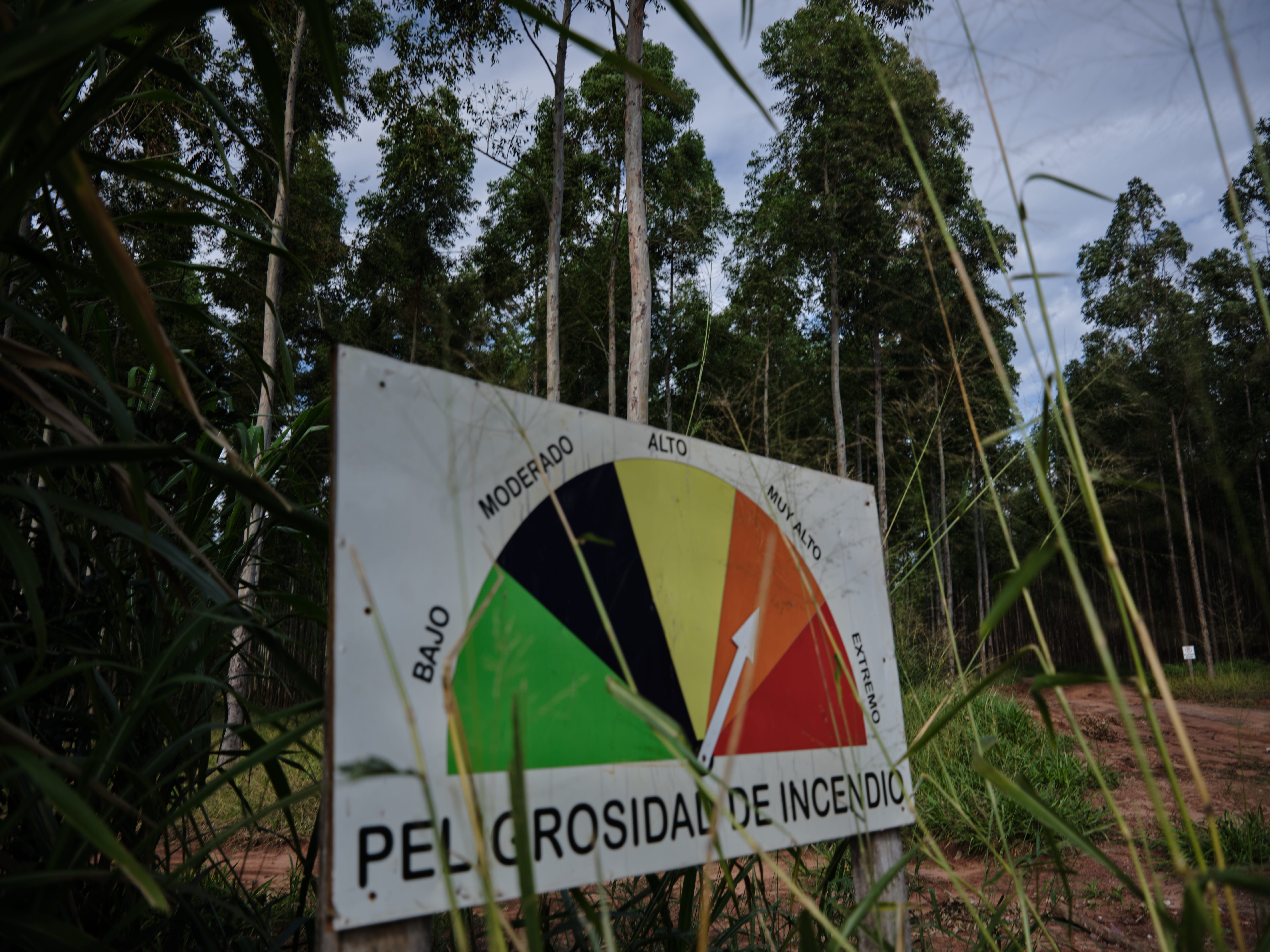
Despite the previous day’s rain, signs warning of high to extreme fire risk continued to appear at various points in the Apepú Forestry area of Paraguay. Photo: Nicolás Granada
The Arbaro Fund acknowledges in its reports on the eucalyptus plantations used by Apple that fire is a major risk in forest plantations, as has been documented in other countries such as Chile.
However, in its report to Verra , it states that only 0.6% of the eucalyptus trees belonging to Forestal Apepú and “less than 0.5%” of the eucalyptus trees belonging to Forestal San Pedro were affected. According to a comment inadvertently made by one of the authors of this forestry company’s report to Verra, this data is outdated.
The risk of forest fires was aggravated by the persistent drought that Paraguay experienced in the last 5 years , which resulted in concern about the use of water, another conflictive element in forest plantations.
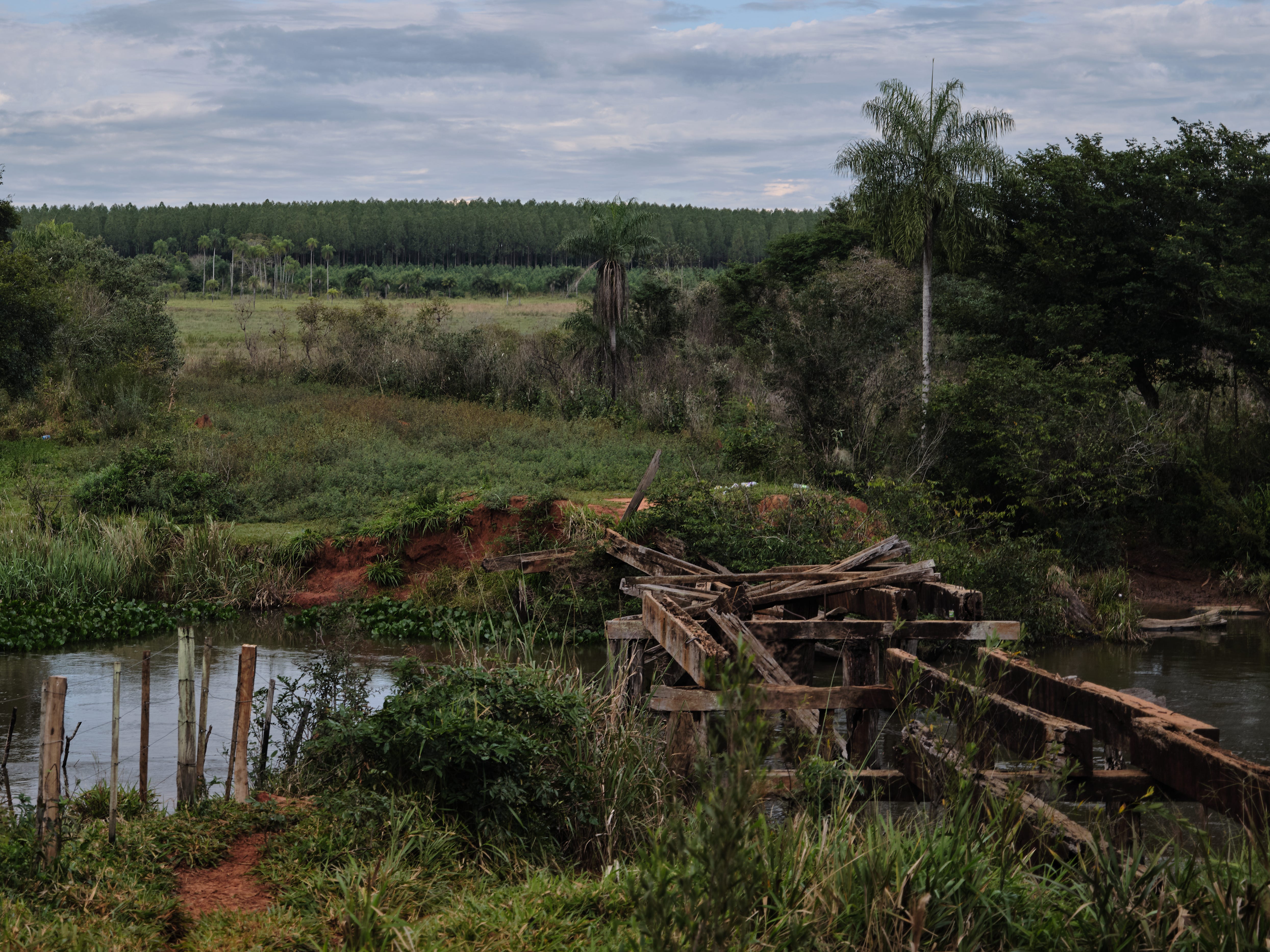
Eucalyptus plantations are often established near waterways due to their need for water resources to grow. Photo: Nicolás Granada
Despite community concerns and the use of agrochemicals, the Paraguayan government of Santiago Peña is firmly committed to forestry expansion as part of its economic growth plan and its reliance on carbon credits as a form of climate finance.
The country has already made progress on a controversial law —which does not require prior consultation with communities— and a bilateral agreement with Singapore under the rules of Article 6 of the Paris Agreement. The forestry plantation sector believes that this could allow the country to reach 3 million hectares.
Germany bans Apple from using “carbon neutral” label on Smart Watch that uses eucalyptus from Paraguay.
Following the publication of this report, on August 26, 2025, the courts in Germany decided to prohibit Apple from using the term “carbon neutral” in the description and advertising of its Smart Watch series 9, which uses carbon credits from eucalyptus plantations in Paraguay.
Alemania le dice a Apple: Si usás créditos de carbono de eucaliptos en Paraguay tu producto no es "carbono neutral".

Consenso puede escribir sobre Apple y otras corporaciones sin censura porque depende de tu aporte - colaborá con 5 USD mensuales.
Consenso puede escribir sobre Apple y otras corporaciones sin censura porque depende de tu aporte - colaborá con 5 USD mensuales.
A court in Frankfurt ruled that the “carbon neutral” label was misleading to consumers and constitutes unfair competition in the market.
This is because, according to the court ruling, 75% of the eucalyptus plantations in Paraguay used by Apple are not guaranteed beyond 2029 , leaving the corporation without the possibility of ensuring the permanence of carbon capture to offset its emissions.
The environmental group Deutsche Umwelthilfe (DUH), which brought the case against Apple, considered the court decision a success against greenwashing .
“The supposed carbon capture in commercial eucalyptus plantations is limited to just a few years, the guarantees of futures contracts are insufficient, and the ecological integrity of these monocultures is not guaranteed,” said Jürgen Resch of DUH in a statement.
Research and reporting: Maximiliano Manzoni
Edited by: Paula Díaz & Francisco Parra - Climate Tracker Latam
Photos and videos: Nicolás Granada